Digital Justice Assignment
In this post, I analyze and apply concepts from the article “Common portrayals of Indigenous people” (Media Smarts, n.d.). While the article mostly provides examples from the film industry, many of the issues raised apply to video games as well. Here's an overview of my post:
- Key concepts from the article
- Indigenous portrayals in Red Dead Redemption 2
- Moving beyond stereotypes in games
Key Concepts from the Article
According to Media Smarts, Indigenous characters have long been portrayed using narrow, romanticized stereotypes in films, TV, and books. These include:
- The Indian princess – Indigenous women are depicted as sexualized, exotic, and on the colonizers' side. This Pocahontas trope hyper-sexualises and objectifies women.
- The savage warrior – Indigenous men are portrayed as violent, inhuman, and aggressive. This stereotype appears widely in pop culture, even in sports mascots like the former Washington Redskins.
- The noble mystic – Indigenous people are also shown as noble, spiritual, and connected to nature. While seemingly positive, this “noble savage” image strips them of real human complexity.
- The loyal sidekick – Often, white or non-Indigenous protagonists become the “heroes” in Indigenous stories (e.g., Dances with Wolves, Avatar), while Indigenous characters are pushed to the margins.
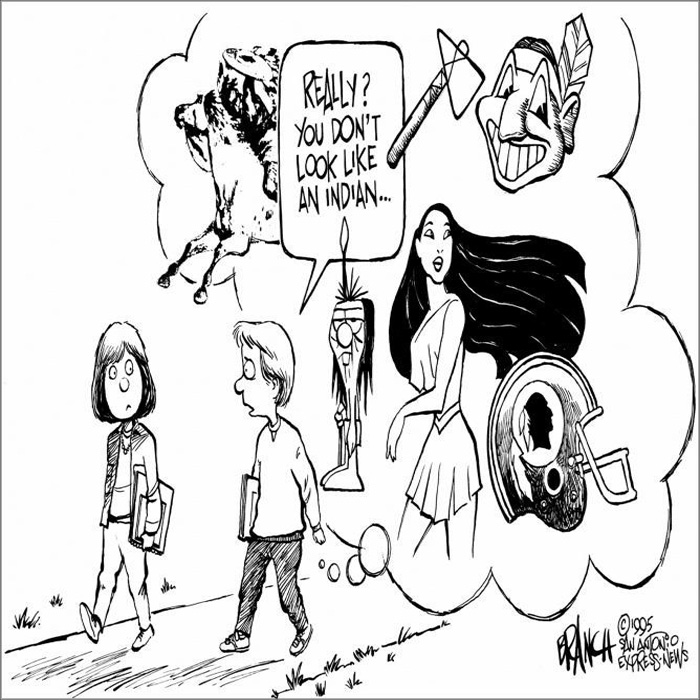
Media Smarts argues that these representations depict Indigenous people in a limited way. That is, characters often lack full personalities or independent motivations and are defined by their relationships with non-Indigenous figures. The article also points out frequent historical inaccuracies when it comes to Indigenous representation, such as mixing sacred symbols, languages, and clothing from different nations. These distortions promote the idea of “Pan-Indigeneity,” flattening the diversity of Indigenous cultures. Finally, most media portrayals are frozen in the 1800s and focused on “cowboys versus Indians,” with little representation of contemporary Indigenous communities.
The Portrayal of Indigenous People in Red Dead Redemption 2
While I’m not into video games, my friend Tim is. When I asked Tim if he knew any games with Indigenous characters, he listed a number: Tai Kaliso from Gears of War 2, Dommy Tawodi from Prey, and Ratonhnhaké:ton from Assassin’s Creed III—all fierce warriors. However, the video game he recommended most was Red Dead Redemption 2.
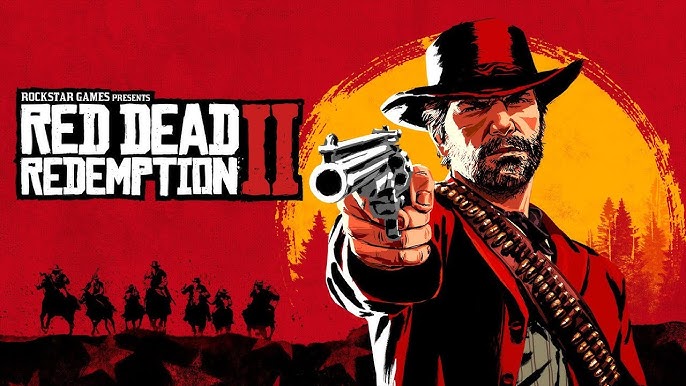
Red Dead Redemption 2 is a 2018 action-adventure game set in the American Wild West in 1899. It follows Arthur Morgan, an outlaw surviving against rival gangs and government forces. A major plot point involves Arthur helping the fictional Wapiti tribe, whose land is targeted by the U.S. Army.
To learn more, I watched this game recap titled “The Plight of the Wapiti” (Fizhy 2022).
While the game portrays some historical elements accurately (i.e., clashes between Indigenous communities and U.S. forces), I believe it ultimately perpetuates harmful stereotypes and colonial narratives.
First, the game leans on romanticized images of Native Americans. Rains Fall, the Wapiti chief, is the wise spiritual leader in tune with nature. His son, Eagle Flies, is a brave warrior who has killed many white men in battle. These portrayals reinforce stereotypes of Indigenous people as either noble mystics or violent threats that need to be brought under colonial control.
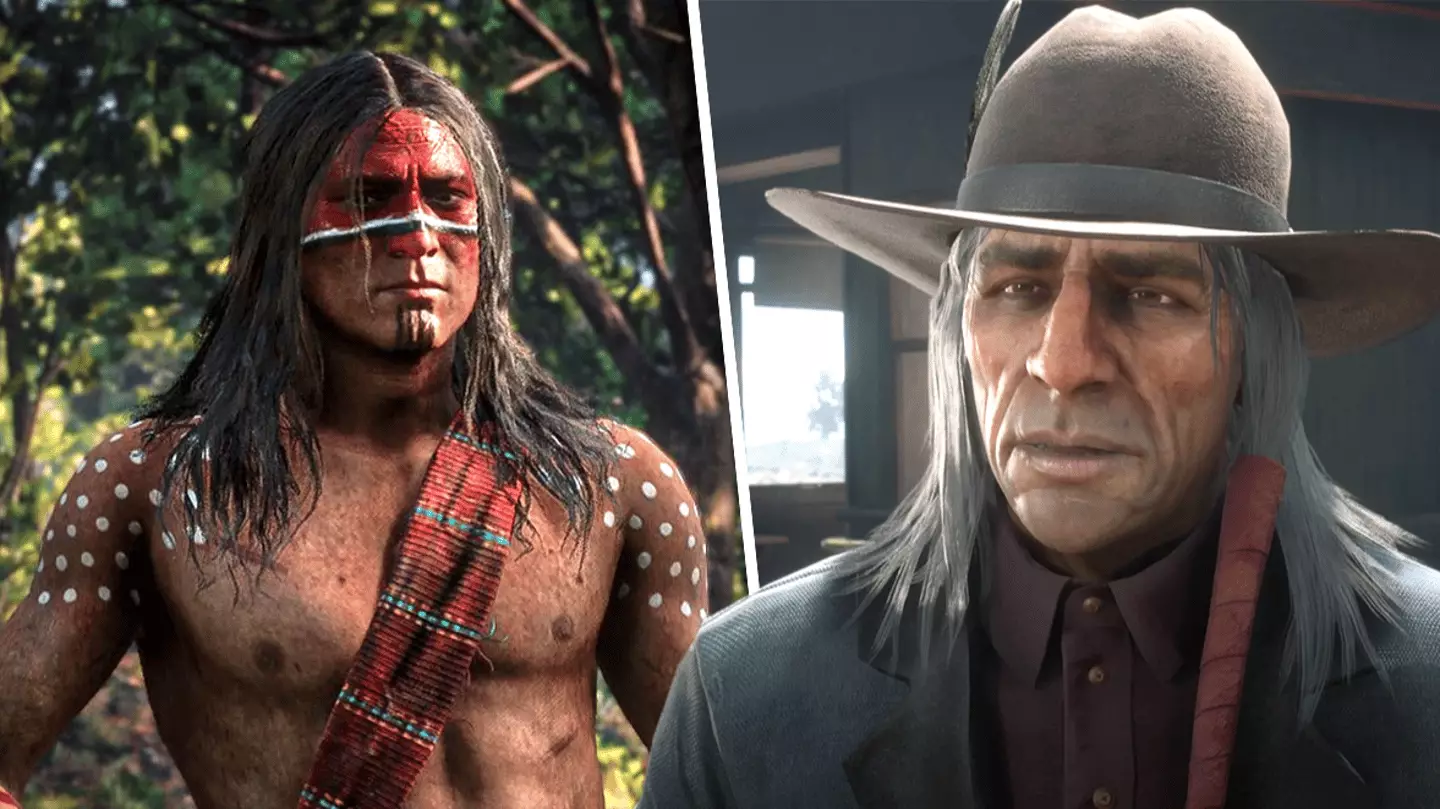
At a higher level, however, the video game portrays the Watipi as weak and unable to resist invasion. In the game, they’ve been forced by the U.S. Army onto a reservation, one which is shown as a peaceful sanctuary. According to Qi (2023), this depiction ignores how, historically, reservations are the result of forced removal and often sites of poverty and repression. When the tribe is pushed too far by U.S. soldiers, Eagle Flies enlists the help of (player-controlled character) Arthur Morgan. Frustratingly, Eagle Flies plays the sidekick character who dies taking a bullet for Arthur during a shootout with American soldiers. His fight to save his people ends in vain, and his people flee, of all places, to Canada. The plot of Red Dead Redemption 2 reinforces the myth of manifest destiny—that white settlers are destined to rule, and Indigenous people must assimilate or disappear.
Lastly, the game includes cultural elements like peyote ceremonies and sweat lodges, but these are used without proper context or respect. According to the Intellectual Property Issues in Cultural Heritage Project (2015), this kind of misappropriation is “a one-sided process where one entity benefits from another group’s culture… often harming a group through misrepresentation or disrespect of their culture and beliefs” (p. 3).
Moving Beyond Stereotypes in Games
Red Dead Redemption 2 is just one example among many that where Indigenous characters are cast as relics of the past, obstacles to civilization, or noble victims. These portrayals erase the agency of Indigenous characters and center white protagonists as the saviors.
However, beyond recognizing the harm in these narratives, it’s vital to ask how we can portray Indigenous identities more accurately and respectfully. Dr. Ashlee Bird, a professor at the University of Notre-Dame and member of the Western Abenaki, emphasizes that video games can be tools for learning and cultural connection. This requires portraying specific Indigenous nations, centering Indigenous knowledge systems, and creating games with and for Indigenous people (TheGamesInstitute 2023).
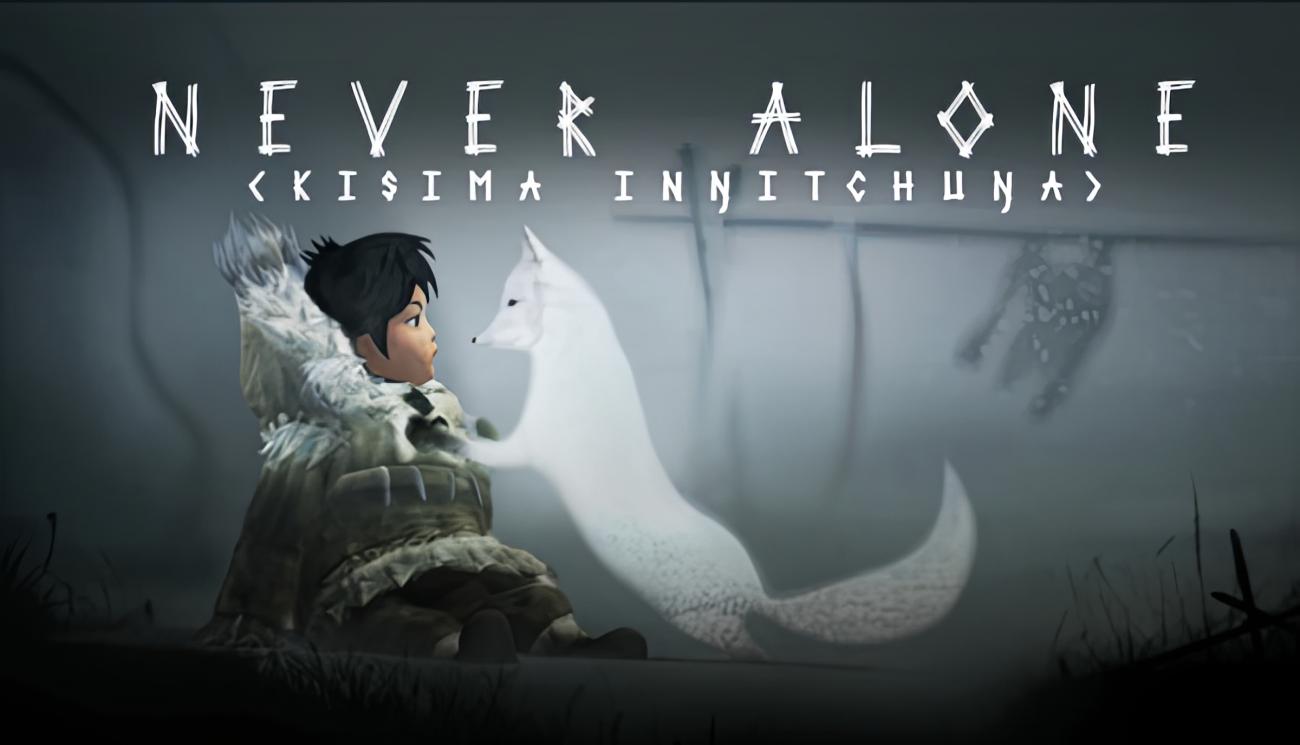
Some games already do this well. Diné columnist Chad Valdez (2024) cites two examples: Never Alone (Kisima Inŋitchuŋa), created by the Iñupiaq Peoples of Alaska, teaches players to recognize different types of snow—a skill central to Inuit life. The game allows players to learn through play while embodying Indigenous perspectives. Thunderbird Strike, by Anishinaabe and Métis designer Elizabeth LaPensée, lets players become a thunderbird defending Turtle Island from oil extraction.
In conclusion, digital media can reinforce harmful myths, but it can also become a powerful tool for resistance and storytelling. The examples above show that when Indigenous voices lead, games can reflect the richness and resilience of Indigenous cultures.
Works Cited
Branch, J.
(2015). Identity
[Cartoon]. In Mi’kmawe’l
Tan Teli-Kina’muemk/Teaching about the Mi’kmaq (p. 35). Debert
Cultural Centre. Retrieved July 25, 2025, from https://treatyeducationresources.ca/g5-activity-1-stereotyping/
Harrold,
K. (2023). Eagle Flies and Rain Falls [Screenshot
from Red Dead
Redemption 2, by Rockstar Games, 2018]. Gaming Bible. Retrieved
July 25, 2025, from https://www.gamingbible.com/news/rdr2-players-want-eagle-flies-rain-falls-dlc-598254-20230127
Intellectual
Property Issues in Cultural Heritage Project. (2015). Think before you appropriate:
Things to know and questions to ask in order to avoid misappropriating
Indigenous cultural heritage. Simon Fraser University.
MediaSmarts.
(n.d.). Common
portrayals of Indigenous people. In MediaSmarts. Retrieved July 25,
2025, from https://mediasmarts.ca/digital-media-literacy/media-issues/diversity-media/indigenous-people/common-portrayals-indigenous-people
Qi,
A. (2023, April 14). Race and
representation in “Red Dead Redemption 2”. Medium. https://medium.com/@amyqi543/race-and-representation-in-red-dead-redemption-2-f5e7646acb52
Rockstar Games.
(2018). Red Dead
Redemption 2: Official trailer #3 [Still image]. https://www.youtube.com/watch?v=eaW0tYpxyp0
TheGamesInstitute.
(2023, May). Changing
the language of Indigenous representation [Lecture highlights]
[Video]. University of Waterloo Games Institute. YouTube. https://www.youtube.com/watch?v=9v1NUu9Re6s
Valdez, C.
(2024, March 26). Indigenous
representation in video games. Cultural
Survival. Retrieved July 25, 2025, from https://www.culturalsurvival.org/news/indigenous-representation-video-games
Comments
Post a Comment